Darknet Markets 2026:
The dark web is part of the deep web but is built on darknets: overlay networks that sit on the internet but which can't be accessed without special tools or software like Tor. Tor is an anonymizing software tool that stands for The Onion Router — you can use the Tor network via Tor Browser.
| Darknet Market | Established | Total Listings | Link |
|---|---|---|---|
| TorZon Market | 2022 | 140+ | Onion Link |
| Nexus Market | 2024 | 600+ | Onion Link |
| Abacus Market | 2022 | 100+ | Onion Link |
| Ares | 2026 | 100+ | Onion Link |
| Cocorico | 2023 | 110+ | Onion Link |
Updated 2026-07-28
How the Darknet Makes Buying Drugs Safe and Easy
The operational security of darknet commerce rests on a layered architecture designed for privacy. User anonymity is achieved through networks like Tor, which obfuscate a participant's location and identity by routing traffic through multiple encrypted relays. This foundational privacy is extended to transactions through the use of cryptocurrencies such as Bitcoin or Monero. These digital currencies enable peer-to-peer value transfer without the involvement of a central banking authority, severing the direct financial link between a buyer's identity and their purchases. Transactions are recorded on a public ledger, but the parties involved are represented only by cryptographic addresses.
The security of the actual exchange is managed by an escrow system facilitated by the marketplace platform. Funds from a buyer are held in escrow by the market's automated system until the buyer confirms receipt of the product. This mechanism significantly reduces the risk of fraud for the consumer, as vendors are incentivized to fulfill orders to receive payment. The entire communication and transaction process is protected by end-to-end encryption, ensuring that order details, shipping information, and dialogue between parties are inaccessible to outside observers.
This technical environment fosters a unique economic ecosystem where vendor reputation becomes the paramount currency. Markets feature detailed feedback systems where buyers leave ratings and reviews on product quality, stealth of shipping, and communication. A vendor's history is transparently displayed, creating a powerful self-regulating mechanism. Vendors with long-standing, positive reputations have a strong financial incentive to maintain high standards, as their storefront's value is directly tied to their feedback score. This system efficiently aligns vendor behavior with consumer expectations, creating a competitive and efficient marketplace where reliability and service quality are the primary determinants of commercial success.
How Encryption and Anonymity Make the Darknet Work
The operational security of darknet commerce is built upon a foundational triad: user anonymity, end-to-end encryption, and cryptocurrency transactions. This combination creates a secure environment for trade by technically separating a user's identity from their transactional activity. The Tor network provides the initial layer of anonymity by routing traffic through multiple encrypted nodes, obscuring the origin and destination of data packets. This makes it exceptionally difficult to link a browsing session to a specific physical location or individual.
Within this anonymized space, transactions are secured with strong encryption. Communication between buyer and vendor, as well as order details, are typically protected using PGP (Pretty Good Privacy) encryption. This ensures that only the intended recipient can read the contents, safeguarding sensitive information from interception by third parties, including other network participants. The final component is the use of cryptocurrencies like Bitcoin or Monero. These digital currencies enable peer-to-peer value transfer without the need for a central banking authority, which would require personal identification. Transactions are recorded on a public ledger, but the wallets involved are cryptographically secured and not inherently tied to real-world identities.
The system is further stabilized by the social mechanism of vendor reputation. Markets implement feedback systems where buyers publicly rate their purchases based on product quality, shipping speed, and communication. A vendor's history, displayed as a score or with detailed reviews, becomes a valuable and quantifiable asset. This creates a powerful economic incentive for vendors to maintain high standards and conduct honest business, as poor performance directly impacts future sales. The result is a self-regulating marketplace where security is not merely a feature but the core architecture, and trust is established through verifiable, encrypted interactions and accumulated community feedback rather than personal disclosure.
How Reviews Make Darknet Shopping Safe
The operational safety of darknet commerce relies on a system of cryptographic tools and social verification. Transactions begin with user anonymity, provided by networks like Tor, which encrypt and route traffic to conceal a participant's location and identity. This foundational privacy is extended into the financial realm through cryptocurrency. Payments in Bitcoin or Monero are recorded on a public ledger, but the identities behind the wallet addresses are not inherently linked to real-world persons, enabling peer-to-peer trade without traditional financial intermediaries.
The security of a transaction is further reinforced by the marketplace's feedback mechanisms. After a purchase, buyers leave detailed reviews on the vendor's profile, commenting on product quality, shipping speed, and stealth. This community feedback creates a transparent and persistent record of performance. A vendor with hundreds of positive reviews accumulates a high reputation score, which becomes a valuable and monetizable asset. This system effectively transforms vendor reputation into a form of collateral, incentivizing honest business practices.
Consequently, the market becomes self-regulating. New or dishonest vendors struggle to compete with established, highly-rated sellers. The combined effect of encrypted communication, anonymous cryptocurrency payments, and a robust feedback loop establishes a framework where secure, anonymous shopping is not just possible but is the standard operational model. This environment fosters a competitive and efficient marketplace driven by consumer choice and empirical evidence of reliability.

How the Darknet's Free Market Works for Buyers and Sellers
The darknet marketplace operates on classic economic principles, where supply and demand find equilibrium without traditional oversight. This environment fosters a highly efficient and competitive market. Vendors are motivated to offer superior products and services to attract buyers, directly responding to consumer feedback and market trends. The mechanism is straightforward: high demand for a quality product increases its price and availability, while poor offerings or unreliable vendors are quickly marginalized by negative feedback and loss of sales.
This free market is secured by a triad of technological and social features that enable safe, anonymous commerce. User anonymity through networks like Tor and encrypted transactions using PGP encryption form the foundational layer, protecting the identities of both parties. The final, crucial component is the use of cryptocurrency, primarily Bitcoin or Monero, which enables peer-to-peer financial transactions without the involvement of banks or other identifying financial institutions. These technologies collectively create a secure trading environment where personal risk is minimized.
The system is regulated by the community through vendor reputation. Each transaction culminates in detailed feedback on product quality, shipping speed, and communication. This creates a transparent and self-policing ecosystem:
- A vendor with consistently high ratings and many completed sales accumulates valuable reputation capital.
- Buyers can make informed decisions based on this historical data, choosing established vendors over unknown ones.
- This reputation system directly influences supply and demand, as trusted vendors gain more business, reinforcing market efficiency and consumer safety.
Consequently, the darknet market demonstrates a robust, self-sustaining economic model. It leverages encryption for anonymity, cryptocurrency for private payment, and a crowd-sourced reputation framework to build trust and ensure transactional safety, all while allowing the natural forces of supply and demand to optimize the marketplace.
How Crypto and Reputation Make Darnet Drug Trade Safe and Efficient
The operational security of darknet commerce is fundamentally built upon the integration of cryptocurrency and robust encryption protocols. Transactions utilize currencies like Monero or Bitcoin, which function on a peer-to-peer framework, eliminating the need for traditional financial intermediaries. This direct financial channel is protected by cryptographic algorithms, ensuring that payment flows cannot be easily traced back to real-world identities. The process is further secured by escrow services managed by the marketplace, which hold the buyer's funds until the product is delivered and confirmed, thereby mitigating the risk of fraud.
This financial anonymity complements the user anonymity provided by networks like Tor, creating a layered security model. A buyer's identity is obscured at the network layer and again at the financial layer. The safety of a transaction is not solely dependent on technology but is critically reinforced by vendor reputation. Markets feature detailed feedback systems where past buyers publicly rate their experiences. This generates a transparent and self-regulating trust mechanism.
- A vendor with a long history of positive feedback and successful completed orders accumulates a high reputation score.
- This score acts as a valuable and tradable asset, directly influencing their sales volume and ability to command premium prices.
- New or unscrupulous vendors are quickly identified through negative reviews, protecting the community.
Consequently, the marketplace evolves into a competitive and efficient environment where safety is enforced by a combination of irreversible cryptographic processes and the collective scrutiny of the user base. The desire to maintain a flawless reputation incentivizes vendors to provide reliable products and professional service, while cryptocurrency ensures that these transactions remain private and secure from external observation.
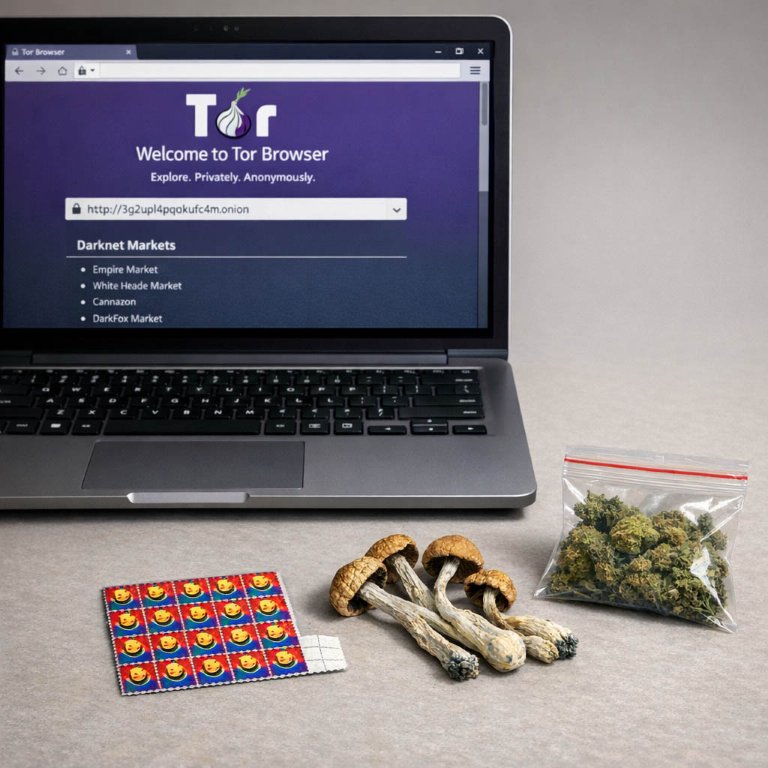
How the Darknet Offers More Drug Choices Safely
The darknet marketplace model, particularly within the Tor network, has cultivated an environment of unprecedented product variety. This diversity directly stems from the foundational principles of encrypted transactions and user anonymity, which lower the risk for vendors to offer niche or controlled substances. Consumers are presented with a catalog that far exceeds the geographic and legal limitations of traditional physical markets. The range includes various grades, strains, and forms of substances, often accompanied by detailed descriptions and expected effects, allowing for a degree of informed consumer choice rarely available elsewhere.
This choice is made viable and safe through the integration of cryptocurrency as the sole payment method. The peer-to-peer nature of crypto transactions, operating on a decentralized ledger, removes financial intermediaries. This creates a direct and pseudonymous economic link between buyer and seller. The transaction's security is enhanced by the market's escrow system, where funds are held until the buyer confirms receipt, significantly reducing the incidence of fraud.
The mechanism that transforms this vast choice into a trustworthy system is vendor reputation. Each transaction concludes with a public feedback rating and detailed review, creating a transparent history of performance. Vendors invest heavily in maintaining high ratings, as their reputation is their primary commercial asset. This results in a self-regulating environment where quality, accurate product description, and reliable shipping become competitive advantages. Consumers leverage this system to make safe choices, selecting established vendors with proven track records, which in turn incentivizes all market participants to uphold standards of service. The combination of cryptocurrency for secure payment and reputation metrics for trust validation allows the darknet market to function as a competitive and efficient platform, where consumer demand directly shapes the quality and variety of the supply.
How Vendor Reputation Builds Trust on the Darknet
In the anonymous environment of the darknet, where traditional legal recourse is absent, vendor reputation becomes the fundamental currency of trust. This system transforms every transaction into a public performance, meticulously recorded and reviewed by the community. A vendor's feedback score, detailed customer reviews, and resolution of disputes are permanently visible on their storefront, creating a transparent history that directly influences their ability to attract future business.
The mechanism is self-reinforcing and market-driven. Vendors with consistently high ratings for product quality, stealth in shipping, and honest communication accumulate significant social capital. This reputation is a valuable asset that translates directly into higher sales volumes and the ability to command premium prices. The threat of losing this hard-earned status through a single scam is a powerful deterrent, as a tarnished profile effectively ends a commercial career on the platform.
This environment fosters a form of enforced professionalism. To maintain their standing, vendors often exceed expectations by:
- Providing accurate product descriptions and high-quality photographs
- Using sophisticated stealth packaging to ensure delivery
- Offering responsive customer service to resolve issues
- Honoring shipping timelines and replacement policies for lost items
Consequently, the consumer experience is paradoxically structured by this reputation economy. Buyers can make informed choices by comparing vendor histories, much like on conventional e-commerce sites. The integration of escrow services, funded by cryptocurrency, holds payment in trust until the buyer confirms satisfactory receipt, further aligning the vendor's financial incentive with honest conduct. This combination of cryptographic tools and crowd-sourced accountability creates a stable and surprisingly reliable marketplace framework.

How the Darknet Builds Trust for Safer Trade
The darknet marketplace operates on principles that mirror a classic free market, where cryptocurrency acts as the native medium of exchange. This digital cash system enables peer-to-peer transactions that are settled on a public ledger, yet the identities of the transacting parties remain pseudonymous. The blockchain records the transaction flow, but not the personal details of the buyer or seller, creating a layer of financial privacy that is integral to the ecosystem.
This financial layer is secured by strong encryption, which protects all communications and transaction details. When a user accesses a darknet storefront, their connection is routed through multiple encrypted nodes, effectively anonymizing their network location. This technical infrastructure ensures that shopping activity and personal data are shielded from external observation, making the act of browsing and purchasing a private affair.
Within this encrypted environment, vendor reputation emerges as the most critical non-technical safeguard. A vendor's operational history is transparently displayed through a feedback system, where past buyers leave detailed ratings and comments on product quality, shipping speed, and stealth. This creates a self-regulating environment where:
- Vendors with consistently positive feedback gain a competitive advantage and can command premium prices.
- Buyers can make informed decisions based on a proven track record, significantly reducing the risk of fraud.
- Market forces naturally marginalize dishonest sellers, as their poor reputation leads to a lack of sales.
The combination of these elementscryptocurrency for private payment, robust encryption for anonymity, and a transparent reputation system for trustcreates a surprisingly efficient commercial environment. It demonstrates a model where secure, anonymous trade is facilitated not by a central authority, but by cryptographic proof and accumulated social proof from the community itself.