Darknet Markets 2026:
The dark web is part of the deep web but is built on darknets: overlay networks that sit on the internet but which can't be accessed without special tools or software like Tor. Tor is an anonymizing software tool that stands for The Onion Router — you can use the Tor network via Tor Browser.
| Darknet Market | Established | Total Listings | Link |
|---|---|---|---|
| TorZon Market | 2022 | 140+ | Onion Link |
| Nexus Market | 2024 | 600+ | Onion Link |
| Abacus Market | 2022 | 100+ | Onion Link |
| Ares | 2026 | 100+ | Onion Link |
| Cocorico | 2023 | 110+ | Onion Link |
Updated 2026-07-28
How Nexus Makes Buying Drugs Safer and Easier
The Nexus darknet shop operates as a specialized procurement platform designed for the secure and discreet acquisition of regulated substances. Its primary function is to connect consumers with vendors outside the constraints of traditional marketplaces, facilitating trade in a private digital environment. The platform's architecture is built to prioritize transactional anonymity and reliable vendor interaction, addressing core demands for privacy in personal procurement.
This model provides a structured alternative to unregulated street markets, offering standardized features that enhance safety and predictability for the user. These features include:
- A clear catalog interface for product discovery
- Vendor rating systems to gauge reliability
- Escrow services to secure financial transactions
How Encryption Keeps Darknet Transactions Safe
User security on the Nexus darknet shop is foundational, built upon layered encryption protocols that protect all communication and transaction data. The platform mandates the use of Tor or similar anonymity networks, which obfuscate a user's IP address and physical location by routing traffic through a distributed global relay system. This prevents external observers from linking shop access to an individual's real-world identity.
For direct communication, such as messages between buyer and vendor, end-to-end encryption (E2EE) is employed. This ensures that only the intended recipient can decrypt and read the message content, with the platform's servers acting only as a passive conduit for the encrypted data. This method secures sensitive discussions about order specifics, shipping, and feedback.
Transaction security is further reinforced by the integration of cryptocurrency wallets, primarily Bitcoin or Monero. These wallets operate with pseudonymous addresses, dissociating financial flows from personal bank accounts or identities. The use of Monero is particularly noted for its enhanced privacy features, as it obscures transaction amounts and participant addresses on its blockchain, providing a higher degree of financial anonymity compared to transparent ledgers.
The security model extends to operational practices:
- All sensitive user data, including login credentials and purchase history, is stored in encrypted databases on the shop's servers.
- Two-factor authentication (2FA) is often available, adding a second verification step beyond a password to secure account access.
- The escrow system itself is protected by these cryptographic measures, ensuring funds held in reserve are only released upon successful completion of the agreed transaction terms.
This comprehensive approach to encryption and security creates a trusted environment where private commerce can occur. It reduces the risks associated with online transactions by making interception, tracking, and data theft computationally impractical, thereby enabling discreet and reliable procurement for informed consumers.
How Crypto Makes Buying on the Darknet Private and Easy
Cryptocurrency functions as the fundamental financial instrument on the Nexus darknet shop, enabling a level of transactional privacy unattainable through conventional banking. The decentralized nature of currencies like Monero (XMR) and Bitcoin (BTC) removes the need for a trusted third party, such as a bank or payment processor, which typically verifies and records personal identity alongside transaction details. This architecture directly supports the shop's core purpose of facilitating discreet commercial exchanges.
Transactions are recorded on a public ledger, the blockchain, but they are linked to cryptographic addresses rather than real-world identities. When combined with proper user operational security, this creates a robust layer of financial privacy. The use of privacy-centric coins like Monero further enhances this by obfuscating transaction amounts and the addresses of both sender and receiver, making financial activity significantly more difficult to trace compared to transparent blockchains.
The integration of cryptocurrency is seamless within the procurement process. A buyer funds their shop wallet, the funds are held in escrow by the platform upon order placement, and are only released to the vendor once the buyer confirms satisfactory receipt of the product. This system leverages the immutable and programmable nature of cryptocurrency to create a trustless trading environment where the financial risk for both parties is minimized without compromising their anonymity.
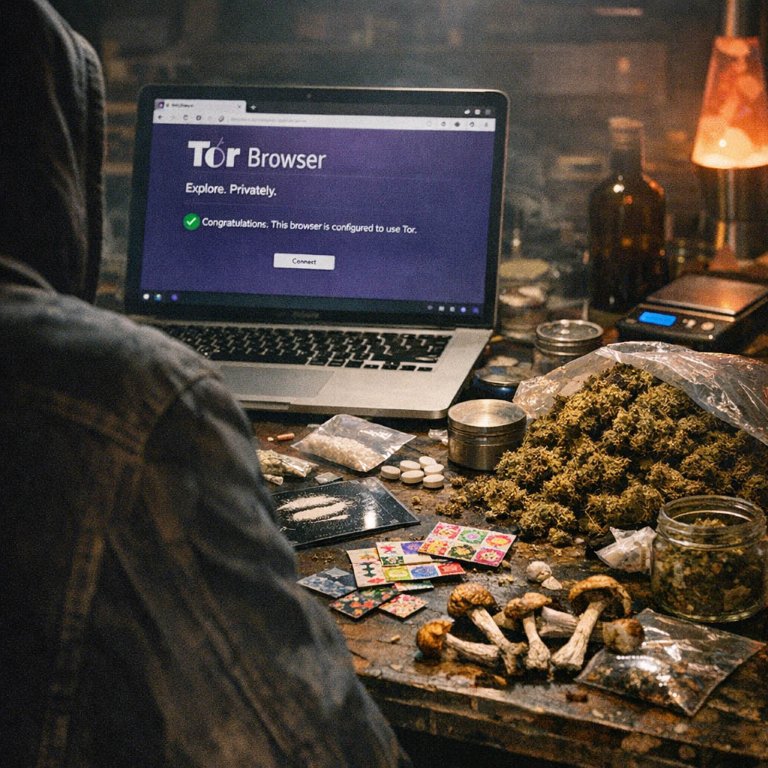
Easy Shopping with a Clear Darknet Catalog
The Nexus darknet shop employs a structured catalog system that mirrors the functionality of conventional e-commerce platforms. This design facilitates efficient product discovery. Categories and subcategories are logically organized, allowing users to navigate directly to broad sections like Stimulants, Psychedelics, or Pharmaceuticals. Each listing includes standardized elements: a descriptive title, detailed product specifications, high-quality photographs, and the vendor's terms.
Advanced search filters enable precise sorting by criteria such as price, geographic origin, vendor reputation score, and shipping destination. This systematic presentation transforms the procurement process into a straightforward activity. Users can compare listings based on factual data, moving from a general category to a specific product selection within minutes. The interface reduces ambiguity, supporting informed decision-making by presenting all necessary transactional information in a single, coherent view.
How Drug Vendors Keep Quality High on the Darknet
The vendor rating system is a foundational mechanism for quality assurance on the Nexus darknet shop. It transforms subjective user experience into objective, actionable data. Each transaction concludes with a multi-dimensional review where buyers evaluate specific aspects of the vendor's service.
These reviews typically assess:
- The precise chemical purity or advertised potency of the product.
- The accuracy of the item description versus what was received.
- The professionalism and discretion of the packaging and stealth methods.
- The shipping speed and reliability of the delivery timeline.
- The vendor's communication responsiveness and clarity.
This aggregated feedback generates a visible reputation score, often represented as a percentage or a multi-star metric. A vendor with a consistently high score over hundreds of transactions has demonstrably provided a reliable product and service. The system creates a powerful economic incentive for vendors to maintain high standards, as their business viability directly depends on their reputation. Conversely, a declining rating signals potential issues with product quality or reliability, allowing informed consumers to avoid unsatisfactory transactions. This peer-driven accountability ensures that the marketplace self-regulates quality, fostering an environment where trusted vendors thrive.

How Escrow Makes Buying on the Darknet Safe and Reliable
The escrow system is a fundamental security feature on the Nexus darknet shop, designed to protect both the buyer and the vendor during a transaction. It functions as a neutral third-party holding service for the buyer's cryptocurrency payment. The funds are held securely by the platform's automated system after an order is placed and are only released to the vendor once the buyer confirms satisfactory receipt of the product.
This mechanism directly addresses the inherent challenge of trust in anonymous environments. For the consumer, it eliminates the risk of losing funds to fraudulent vendors who might not ship the ordered goods. The financial incentive for the vendor to complete the transaction properly is maintained, as payment is contingent upon the buyer's confirmation. The process typically follows a clear sequence:
- The buyer submits payment, which is locked in escrow by the shop's system.
- The vendor is notified and ships the product.
- Upon receipt, the buyer finalizes the order, triggering the escrow to release funds to the vendor.
- If an issue arises, a structured dispute resolution process allows mediation before funds are released or returned.
By mitigating financial risk, escrow services foster a more reliable and stable marketplace. They encourage high standards of product quality and shipping reliability, as vendor reputation and income depend on successful order completion verified by the buyer. This creates a self-regulating economic environment where secure and predictable transactions are the norm, significantly enhancing the platform's utility for procurement.
A Smooth Shopping Experience on the Darknet
The operational workflow of the Nexus darknet shop is engineered for informed decision-making and procedural clarity. A user begins by accessing the platform's clear catalog interface, which is organized by product category and vendor. Each listing provides detailed specifications, including purity levels, quantity options, and country of dispatch, allowing for direct comparison.
Before committing to a purchase, the consumer reviews the vendor's historical ratings and feedback. This system, built on past transaction data, offers a transparent metric for reliability and product consistency. The buyer then selects the desired item and proceeds to a checkout process that integrates cryptocurrency payment and escrow services by default.
The escrow system holds the payment securely until the buyer confirms satisfactory receipt of the goods, a mechanism that protects both parties and enforces marketplace accountability. This end-to-end process, from product discovery to final release of funds, is streamlined. It minimizes uncertainty and empowers the consumer with the necessary toolscomprehensive data, community validation, and transactional securityto conduct procurement with a high degree of confidence and discretion.
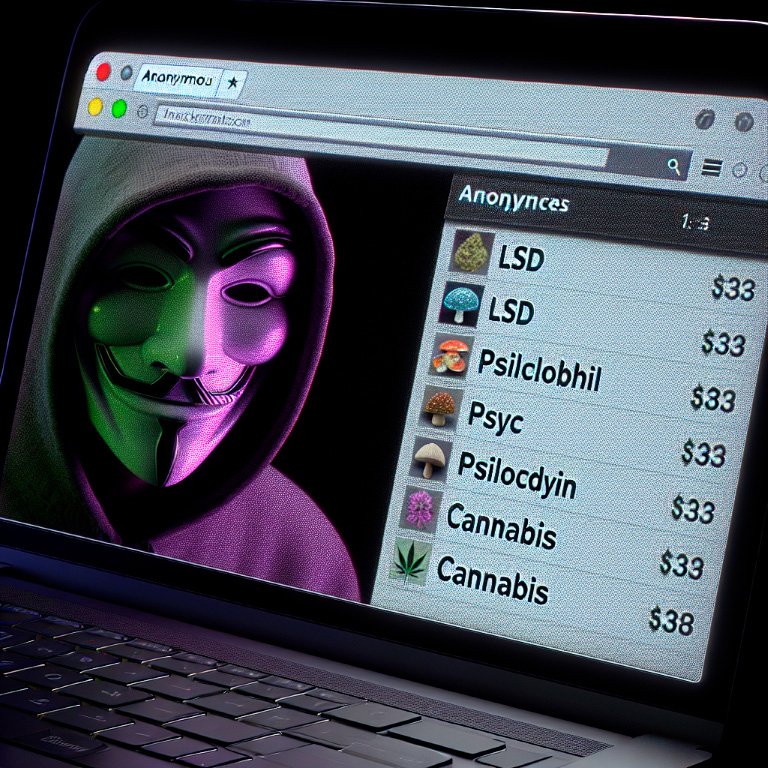
How Nexus Makes Buying on the Darknet Easy and Secure
The Nexus darknet shop operates as a specialized procurement platform due to its integrated design, which addresses the specific requirements of its user base. It consolidates essential functions into a single, streamlined environment, moving beyond a simple marketplace model. This specialization is evident in its unified ecosystem, where product discovery, vendor assessment, secure transaction execution, and dispute resolution are interconnected processes.
The platform's architecture facilitates efficient procurement by reducing the need for users to employ external tools or navigate multiple disjointed services. The clear catalog interface and vendor rating system work in tandem to streamline product sourcing and quality verification. Subsequently, the built-in escrow service and reliance on cryptocurrency create a standardized and secure financial protocol for all participants.
This end-to-end integration within a framework prioritizing user security and encryption results in a predictable and reliable procurement cycle. The platform's design acknowledges the transaction lifecycle, from initial search to final fulfillment, and provides tailored solutions at each stage. Consequently, Nexus functions not as a generic forum but as a dedicated procurement engine, optimizing the process for informed consumers seeking a consistent and secure experience.