Darknet Markets 2026:
The dark web is part of the deep web but is built on darknets: overlay networks that sit on the internet but which can't be accessed without special tools or software like Tor. Tor is an anonymizing software tool that stands for The Onion Router — you can use the Tor network via Tor Browser.
| Darknet Market | Established | Total Listings | Link |
|---|---|---|---|
| TorZon Market | 2022 | 140+ | Onion Link |
| Nexus Market | 2024 | 600+ | Onion Link |
| Abacus Market | 2022 | 100+ | Onion Link |
| Ares | 2026 | 100+ | Onion Link |
| Cocorico | 2023 | 110+ | Onion Link |
Updated 2026-07-28
How the Darknet Builds Trust for Secure Trade
Darknet markets enable safe and anonymous commerce by integrating several foundational technologies. The Tor network and cryptocurrencies like Bitcoin and Monero provide the base layer, obscuring user locations and financial trails. This technical infrastructure creates a separated economic space where trade can proceed with a significantly reduced risk of personal identification.
Transaction safety is engineered through two parallel systems: cryptographic escrow and community-driven reputation. An automated escrow service holds a buyer's payment until the product is received and confirmed. This prevents common fraud by ensuring vendors only receive funds after fulfilling their part of the agreement. The reputation system acts as a continuous audit, where every completed transaction is subject to public feedback on product quality, shipping speed, and communication. A vendor's long-term reputation score becomes their most valuable asset, directly linking economic success to consistent reliability.
This environment fosters a self-regulating marketplace. Participants are economically incentivized to act honestly, as poor reviews or escrow disputes damage future business prospects. The result is a resilient platform where anonymous actors can engage in commerce with a predictable level of security, driven by transparent feedback and automated financial safeguards rather than external regulation.
How Darknet Markets Build Trust for Trade
The architecture of darknet markets is fundamentally designed to facilitate secure and anonymous commerce. This is achieved through a combination of cryptographic tools and innovative trust mechanisms that replace traditional identifiers. The core technology enabling this is The Onion Router (Tor), which encrypts and routes user traffic through multiple volunteer-operated servers, effectively obscuring the origin and destination of the data. This network layer provides the foundational anonymity for both buyers and vendors, separating their physical identities from their market activities.
To engage in trade, participants utilize cryptocurrencies, primarily Bitcoin and Monero. These digital currencies allow for pseudonymous financial transactions that are not tied to conventional banking systems. While Bitcoin transactions are recorded on a public ledger, tools like coin mixers and the inherent privacy features of Monero add significant layers of financial obfuscation. This financial layer works in tandem with Tor to create a separated economic space.
Within this space, trust is engineered through decentralized reputation systems. Every transaction can be accompanied by detailed feedback and product reviews, creating a transparent record of a vendor's reliability. This is often secured by an escrow service managed by the marketplace platform. Funds are held in escrow until the buyer confirms receipt and quality of the product, only then are they released to the vendor. This system effectively mitigates the risk of fraud and creates a self-regulating environment where consistent, high-quality service and product purity are incentivized and rewarded with more business.
How Escrow and Feedback Make Darknet Trade Safe
The operational security of darknet commerce is fundamentally built upon two intertwined mechanisms: escrow services and public feedback systems. These features directly address the inherent lack of trust in anonymous environments, enabling transactions that are both secure and reliable for all parties involved.
When a buyer places an order, the cryptocurrency payment is held in a secure escrow account controlled by the marketplace software. This prevents the vendor from receiving funds before the product is shipped and delivered. The funds are only released to the vendor after the buyer confirms successful receipt. This system protects buyers from scams where no product is sent, while simultaneously assuring vendors that payment is secured and waiting, which reduces the risk of fraudulent chargebacks common in traditional e-commerce.
Parallel to escrow, the feedback and review system creates a transparent record of performance. Every completed transaction can be rated and reviewed, detailing factors like:
- Shipping speed and stealth
- Product purity and accuracy versus the description
- Communication quality
This cumulative feedback generates a reputation score for each vendor. A high score with hundreds of positive reviews signals consistency and trustworthiness, allowing buyers to make informed choices with reduced perceived risk. The public nature of this record acts as a powerful incentive for vendors to maintain high standards, as negative reviews directly impact future sales. The combination of financial security through escrow and informational transparency through feedback creates a self-reinforcing cycle of accountability. It allows anonymous strangers to establish economic trust based on verifiable transaction history rather than personal identity, which is the cornerstone of sustained commercial activity on these platforms.
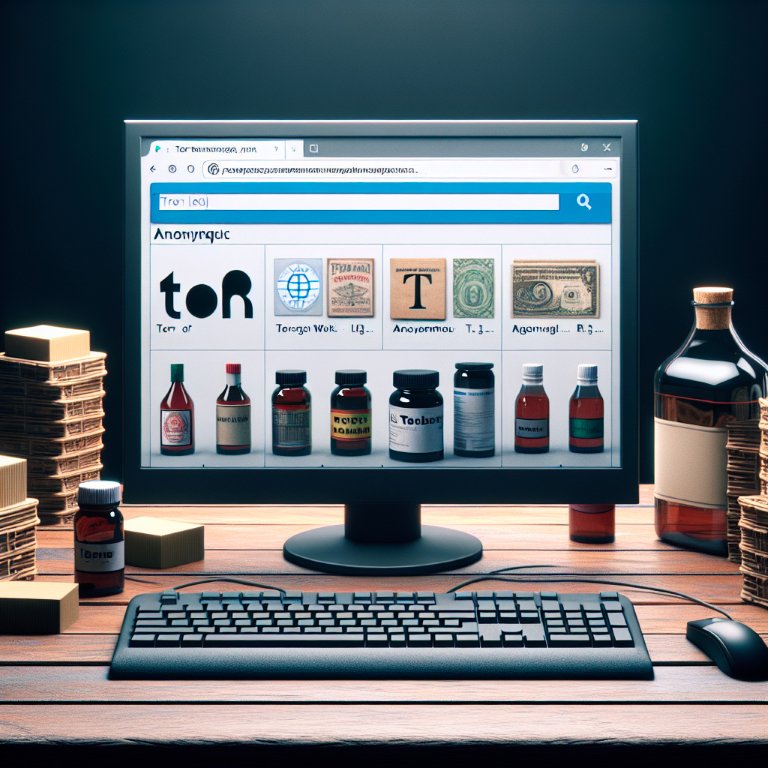
How Variety and Listings Make Darnet Drug Trade Safer
The product variety on darknet markets directly enables safe and anonymous commerce by creating a competitive, consumer-driven environment. These platforms function as comprehensive digital pharmacies, listing thousands of substances with precise specifications. Vendors provide detailed information including chemical composition, expected purity, country of origin, and recommended dosage. This level of detail, uncommon in traditional illicit trade, allows buyers to make informed decisions based on empirical data rather than trust alone.
The extensive catalog serves as a foundational element for security. With numerous vendors offering the same or similar products, the market mechanism naturally penalizes bad actors. A seller who misrepresents a product or fails to deliver faces immediate negative feedback, which is publicly visible and directly impacts future sales. This system transforms anonymous commerce from a risky endeavor into a structured transaction based on verifiable reputation. The sheer variety ensures that no single vendor holds a monopoly, fostering a climate where quality and reliability become the primary currencies for success.
Listings are further de-risked through standardized presentation and the use of escrow services. A typical product page includes:
- Clear photographs with batch-specific identifiers.
- Historical data on purity from community-funded testing services.
- Transparent shipping options and success rates.
- Hundreds of accumulated customer reviews discussing delivery speed, stealth, and substance effects.
This structured approach to product variety mitigates the inherent dangers of anonymous trade. It shifts the power dynamic toward the buyer, who can compare dozens of options using consistent metrics. The market's survival depends on this self-regulating ecosystem where detailed substance listings are not merely advertisements but the core infrastructure for secure and predictable exchange.
How Darknet Reviews Ensure Quality and Fair Prices
The feedback system on darknet markets functions as a decentralized quality assurance mechanism. Buyers post detailed reviews on the actual purity of received substances, which often differs from advertised claims. This creates a transparent record that benefits the entire community. Vendors with consistently high ratings for purity gain a competitive edge, directly linking their commercial success to product quality.
Pricing is similarly regulated by community input. Reviews frequently compare prices across different vendors for similar products, noting factors like shipping cost and speed. This public comparison pressures vendors to offer fair market value. A seller attempting to charge significantly above the observed market rate will see this highlighted in reviews, which typically results in reduced sales. The collective assessment of price versus quality drives an efficient market.
The review process incorporates specific, user-generated data points:
- Quantitative purity test results when available.
- Descriptions of subjective experiential effects.
- Precise weight and packaging assessments.
- Shipping time and stealth methodology.
This multi-faceted feedback allows potential buyers to make informed decisions. It transforms a potentially risky anonymous transaction into a calculated purchase based on aggregated peer evidence. The system incentivizes honest advertising and reliable service, as negative reviews for misrepresented products or unfair pricing have immediate and tangible consequences on a vendor's reputation and future revenue.

How Reputation Builds Trust in Darknet Trade
The operational stability of darknet markets relies on a framework of self-regulation, where traditional legal enforcement is absent. This framework is built upon transparent reputation systems that mirror and often improve upon those used in conventional e-commerce. Every vendor and buyer accumulates a public history of transactions, with participants leaving detailed feedback on the quality of goods, shipping speed, and communication.
This feedback loop creates a powerful economic incentive for honest conduct. A vendor with a high rating and positive reviews attracts more business and can justify premium pricing, directly linking reputation to profit. Conversely, a poor reputation leads to a rapid loss of customers. The system employs escrow services held by the market platform to further secure transactions. Funds are only released to the vendor after the buyer confirms satisfactory receipt of the product, which mitigates the risk of fraud.
The resulting environment fosters a surprising degree of reliability. Participants can assess a vendor's trustworthiness through quantifiable metrics and community comments before engaging. Key elements that enable this include:
- A public vendor profile displaying lifetime transaction count and average rating.
- Verbatim customer reviews often discussing product purity, weight accuracy, and stealth of packaging.
- A dispute resolution mechanism where market moderators can intervene if escrow is contested, reviewing evidence from both parties.
This collective governance model demonstrates how decentralized platforms can facilitate secure and anonymous commerce. Trust is not assumed but is continuously earned and publicly verified, creating a self-policing ecosystem where sustainable economic activity is possible.
How Trust is Built for Safe Shopping on the Darknet
Reliability on darknet markets is not assumed but is systematically engineered through a triad of technological and social mechanisms. The foundation is cryptographic anonymity, provided by tools like Tor and cryptocurrencies, which allows participants to engage without revealing physical identities. This layer of privacy is essential, but it alone does not build trust between strangers.
The core innovation is the multisignature escrow system. In a standard transaction, funds are held in a secure, third-party escrow wallet controlled by a cryptographic key split between buyer, seller, and the market. The funds are only released when the buyer confirms satisfactory receipt of the goods. This mechanism removes the incentive for fraud by either party, as the seller cannot access payment without delivery, and the buyer cannot reclaim funds after confirming receipt.
This technical framework is given meaning by the reputation and feedback system. Every completed transaction allows the buyer to leave detailed ratings and comments on:
- Product purity and accuracy
- Shipping speed and stealth
- Vendor communication
These cumulative reviews create a transparent, crowd-sourced history for each vendor. A seller with hundreds of positive reviews and a high rating becomes a trusted entity within the ecosystem. This social proof allows buyers to make informed decisions, effectively outsourcing trust to the collective experience of the community. The system incentivizes consistent, high-quality service, as a vendor's reputation is their primary commercial asset. Disputes are mediated by market administrators, who can rule on releasing escrow funds based on provided evidence, adding a final layer of oversight. Together, escrow and reputation transform an anonymous space into a functioning marketplace where reliable economic exchange is not only possible but is the standard mode of operation.