Darknet Markets 2026:
The dark web is part of the deep web but is built on darknets: overlay networks that sit on the internet but which can't be accessed without special tools or software like Tor. Tor is an anonymizing software tool that stands for The Onion Router — you can use the Tor network via Tor Browser.
| Darknet Market | Established | Total Listings | Link |
|---|---|---|---|
| TorZon Market | 2022 | 140+ | Onion Link |
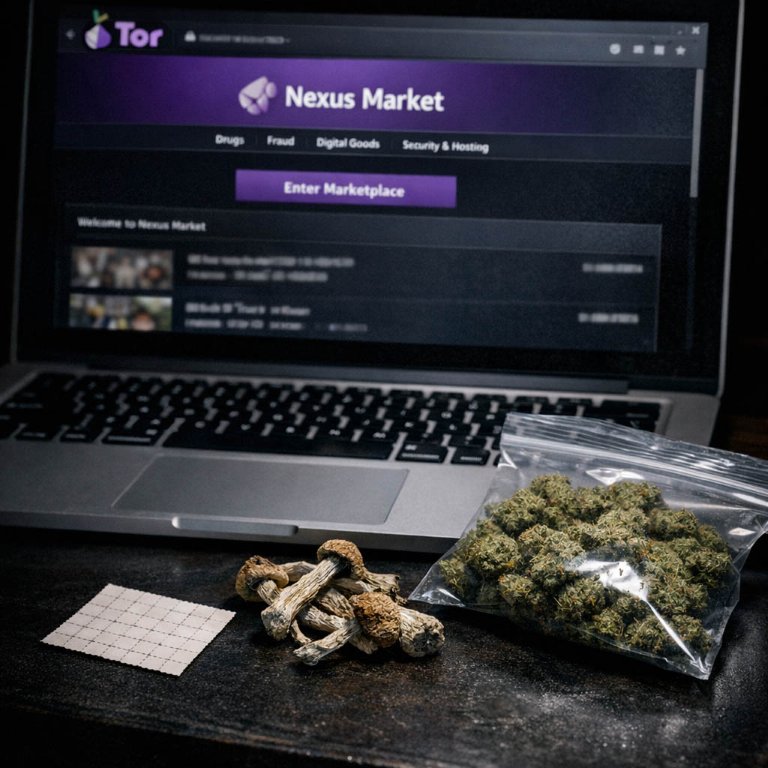
| Nexus Market | 2024 | 600+ | Onion Link |
| Abacus Market | 2022 | 100+ | Onion Link |
| Ares | 2026 | 100+ | Onion Link |
| Cocorico | 2023 | 110+ | Onion Link |
Updated 2026-07-28
Easy Access to Anonymous Shopping on the Darknet
Accessing darknet markets requires specific tools that prioritize user anonymity. The primary gateway is the Tor Browser, which routes internet traffic through a distributed network of relays, obscuring the user's location and online activity. This free software is fundamental for accessing .onion addresses, which are the unique URLs for these platforms.
Locating a functional market link is a dynamic process, as domains frequently change to maintain operational security. Users typically rely on community-driven directories and forums, which aggregate and verify current darknet markets links. These resources are critical, as they provide the necessary entry points while helping to avoid phishing sites. Once access is established, the experience mirrors that of conventional e-commerce, but with enhanced privacy measures.
The transaction process is secured by cryptocurrency payments, with Bitcoin and Monero being the most common. Funds are held in a temporary escrow system managed by the market administrators. This system releases payment to the vendor only after the buyer confirms satisfactory receipt of the goods, thereby reducing the risk of fraud. The entire ecosystem is designed to facilitate secure, anonymous trade, with the quality and reliability of goods being reinforced by transparent user feedback and vendor reputation scores.
How Encrypted Networks and Crypto Make Darnet Trade Safe and Easy
The foundation of any darknet market is its encrypted network, typically accessed via the Tor browser. This software routes your connection through multiple layers of relays, obscuring your IP address and physical location. This creates the necessary anonymity for the platform to operate, separating user identity from marketplace activity. Without this layer of encryption, the entire ecosystem would be visible to outside observers.
Transactions on these platforms are conducted using cryptocurrencies, primarily Bitcoin and Monero. Cryptocurrencies provide a financial layer that complements the network's anonymity. While Bitcoin transactions are recorded on a public ledger, techniques like using intermediate wallets enhance privacy. Monero is often preferred for its stronger built-in privacy features, as it obscures transaction amounts and participant addresses by default. The payment process usually involves a multi-signature escrow system, where funds are held by the market until the buyer confirms satisfactory receipt of goods, protecting both parties from fraud.
The combination of an encrypted network for access and cryptocurrency for payment creates a closed, self-contained economic environment. This design allows for the free exchange of goods based on mutual interest and cryptographic proof rather than traditional legal frameworks. The system's resilience depends on the continued effectiveness of these two technological pillars: Tor for hiding the service's location and user traffic, and cryptocurrency for enabling irreversible, pseudonymous financial settlements.
How Reviews Create Trust on the Darknet
The operational foundation of a darknet market is its feedback and review system. This transparent mechanism directly substitutes for the legal guarantees absent in anonymous commerce. Every transaction concludes with the buyer leaving detailed public feedback, which includes a product rating, comments on stealth and shipping, and often a vendor rating. This creates a permanent, crowd-sourced record of performance.
A vendor's reputation is quantified through a publicly visible score, typically a percentage based on positive reviews. A high score, maintained over hundreds of transactions, signals consistent reliability. New or unscrupulous vendors cannot artificially maintain this metric; a pattern of failed deliveries or substandard product immediately impacts their score and future sales. The system incentivizes honest business practices, as reputation is the primary capital of a darknet vendor.
Reviews go beyond simple ratings. They provide specific, actionable data for other users. This includes:
- Analysis of product purity and accurate weight.
- Descriptions of packaging and stealth methods, confirming the vendor's operational security.
- Accurate reporting of shipping times, setting realistic expectations.
- Documentation of communication quality and dispute resolution.
This collective intelligence allows buyers to make informed decisions, transforming an anonymous space into a self-regulating ecosystem. Trust is not assumed but is continuously audited and verified by the community. A vendor with a long history of positive feedback becomes a verified entity, reducing perceived risk for buyers and ensuring market stability. The feedback loop creates a powerful economic incentive for vendors to prioritize quality and customer service, as their livelihood depends on their digital reputation.

Great Selection and Good Prices on the Darknet
The economic model of darknet markets is fundamentally driven by supply and demand operating within a digitally borderless environment. This creates a marketplace with a product range that often surpasses local availability, from common cannabis strains and prescription medications to more specialized research chemicals and pharmaceutical powders. The absence of traditional geographical barriers allows vendors to source products globally, which directly impacts variety and cost.
Competition between vendors on a single platform is intense, as reputation is the primary currency. This leads to several consumer advantages:
- Price undercutting is common, as new vendors attempt to gain market share through attractive introductory offers.
- Established vendors compete on product purity and consistency, often providing detailed chromatographic analysis to verify contents.
- Bundle deals, loyalty discounts, and seasonal promotions are frequently observed, mirroring tactics from conventional e-commerce.
The feedback and review system acts as a powerful price and quality regulator. A vendor with hundreds of positive reviews can command a premium for a trusted product, while a new vendor must offer a lower price or superior quality to attract initial customers. This ecosystem ensures that the market self-corrects; inferior or misrepresented products are quickly identified through negative feedback, protecting buyers and maintaining overall market efficiency. The result is a dynamic commercial space where selection is vast and prices are kept in check by transparent competition and peer verification.
Setting Up for Safe and Private Commerce on the Darknet
Accessing a darknet market requires specific software that provides the necessary anonymity. The foundational tool is The Onion Router (Tor) browser, which is free and open-source. It functions by routing your internet connection through several encrypted layers, or nodes, obscuring your original IP address and physical location. This process enables you to visit websites with the .onion domain suffix, which are not accessible through standard browsers like Chrome or Firefox.
Following the installation of the Tor browser, the next step involves acquiring cryptocurrency, predominantly Bitcoin (BTC) or Monero (XMR). Monero is increasingly favored for its enhanced privacy features, as its blockchain obscures transaction details more effectively than Bitcoin's transparent ledger. Obtaining cryptocurrency typically involves using a regulated exchange, after which the funds should be transferred to a personal, non-custodial wallet under your sole control. This intermediate wallet is a critical operational security step before any market transaction.
The final preparatory stage is finding the market itself. Due to frequent changes in URLs, users rely on darknet market links aggregated on specialized resource sites, often referred to as link directories or mirrors. These platforms provide verified, up-to-date URLs, reducing the risk of phishing sites. A standard practice is to cross-reference a market's URL across multiple trusted directories and, once accessed, to verify the PGP-signed message from the market administration to confirm the site's authenticity.
The software stack is therefore a triad: the Tor browser for anonymous network access, cryptocurrency for private payment, and verified links for secure destination. This setup facilitates a discreet commercial environment where product variety and vendor competition can flourish based on merit and reputation.
Simple Steps for Safe and Private Shopping on the Darknet
Successful participation in darknet commerce requires a foundational commitment to operational security. This practice begins with the consistent use of specialized software. The Tor Browser is non-negotiable for accessing market links, as it anonymizes network traffic by routing it through multiple encrypted layers. For enhanced privacy, a Virtual Private Network (VPN) configured to start before Tor can obfuscate the fact that you are connecting to the Tor network from your internet service provider, adding an extra layer of plausible deniability.
Financial transactions are secured through cryptocurrency, with Monero (XMR) being the preferred choice due to its inherent privacy features that obscure transaction details on its blockchain. If using Bitcoin is necessary, a trusted cryptocurrency tumbler must be employed to break the traceable link between the purchase and the original source of funds. Direct transfers from a regulated exchange to a market wallet are a critical security failure.
Account management on the markets themselves demands discipline. A unique, complex password and pseudonym, never used elsewhere, protects against credential stuffing attacks. Engaging with the platform's PGP encryption system is essential for all sensitive communication. Your public key verifies your identity to vendors, while their public key ensures that your address details remain encrypted, readable only by the intended recipient.
Physical security involves treating all actions with compartmentalization. Discussions of transactions should never occur on personal devices or over unsecured channels. A dedicated, clean computing environment, free from personal files and identifiable information, significantly reduces risk. The procurement process is streamlined and secure: encrypted communication with a vendor, cryptocurrency payment placed in escrow, and finalization only after the product's satisfactory arrival. This system, reinforced by detailed vendor reviews and market forum discussions, creates a self-policing ecosystem where trust is built transparently through verifiable customer feedback and successful transactions.
How User Communities Make Darknet Markets Work
The community is the central mechanism for establishing trust and stability on a darknet market. Unlike traditional e-commerce, these platforms lack formal legal recourse, so the collective intelligence and vigilance of users become the primary regulatory force. This dynamic creates a self-policing environment where information sharing directly influences market health and individual safety.
User feedback in the form of vendor reviews and forum discussions serves as a real-time reputation system. A vendor's history of successful deliveries, product quality, and communication is permanently recorded. This transparent ledger allows buyers to make informed decisions, effectively crowdsourcing reliability. New vendors must prove themselves through consistent service to build a positive reputation, which acts as their most valuable capital.
Community forums extend beyond simple reviews. They are hubs for operational security advice, discussions on market integrity, and warnings about potential scams. When a vendor or market exit scams, the community is typically the first to identify and broadcast the issue, minimizing collective losses. This shared knowledge base helps new users navigate the initial learning curve, promoting safer practices for everyone involved.
The relationship between community activity and market liquidity is direct. A vibrant, engaged community attracts more vendors and buyers, leading to a wider product selection and more competitive prices. This ecosystem fosters a form of organic market regulation where poor service or fraudulent activity is quickly marginalized by collective feedback, ensuring that only the most reliable operators thrive.