Darknet Markets 2026:
The dark web is part of the deep web but is built on darknets: overlay networks that sit on the internet but which can't be accessed without special tools or software like Tor. Tor is an anonymizing software tool that stands for The Onion Router — you can use the Tor network via Tor Browser.
| Darknet Market | Established | Total Listings | Link |
|---|---|---|---|
| TorZon Market | 2022 | 140+ | Onion Link |
| Nexus Market | 2024 | 600+ | Onion Link |
| Abacus Market | 2022 | 100+ | Onion Link |
| Ares | 2026 | 100+ | Onion Link |
| Cocorico | 2023 | 110+ | Onion Link |
Updated 2026-07-28
How to Find a Working Darknet URL for Your Needs
Accessing a darknet market begins with locating its current URL or .onion address. These addresses change frequently due to operational security, making specialized link directories and community forums the primary resource. These platforms aggregate verified links and provide user feedback on their status. The process involves:
- Consulting trusted forums and review sites that are not markets themselves.
- Checking the PGP signatures of any posted URL against a known public key to confirm authenticity and avoid phishing sites.
- Using the Tor Browser to access the provided .onion address, which ensures network anonymity.
A market's longevity and consistent URL accessibility are direct indicators of its operational stability and administrative competence. Markets that maintain a persistent presence or a reliable method for finding new URLs demonstrate a higher commitment to user service and ecosystem reliability. This initial step of finding a working link is the first filter for identifying a platform capable of supporting secure and efficient trade.
How buyers and sellers trade safely on the darknet
The operational model of a darknet market is built on principles of anonymity and cryptographic security. Access requires specialized software, most commonly the Tor browser, which obscures a user's network location. Upon entry, the interface resembles that of a conventional e-commerce platform, with product listings, shopping carts, and vendor profiles. The fundamental distinction lies in the nature of the goods and the layers of privacy enveloping every transaction.
For a buyer, the process begins with account creation, which typically requires only a username and password. Financial transactions are conducted exclusively with cryptocurrencies like Bitcoin or Monero, providing a layer of financial pseudonymity. The buyer's primary tools for decision-making are user reviews and vendor ratings. These are not simple testimonials; they form a decentralized reputation system where detailed feedback on product quality, shipping speed, and stealth packaging is meticulously recorded. This transparent feedback loop is critical for establishing trust in an environment where legal recourse is absent.
The seller operates as an independent entrepreneur, managing their shop within the marketplace. A successful vendor invests significant effort into building a positive reputation through consistent service. They handle product sourcing, discreet packaging, and mailing, often employing various opsec (operational security) techniques to avoid detection. The marketplace itself provides the infrastructure: the digital storefront, the communication system, and most importantly, the escrow service.
Escrow is the mechanism that secures the transaction. When an order is placed, the buyer's cryptocurrency is held in escrow by the market's automated system. The funds are only released to the seller after the buyer confirms satisfactory receipt of the goods. This protects the buyer from scams. Conversely, it also protects honest sellers by ensuring payment is secured before shipping. The entire ecosystem is self-regulating through this combination of cryptographic escrow and the crowdsourced reputation system, facilitating efficient and reliable trade of substances that are restricted in the physical world.
A Wide Selection of Products on the Darknet
The inventory on a leading darknet market extends far beyond common substances, representing a specialized digital economy that operates on principles of demand and supply. Platforms facilitate the trade of a wide spectrum of products, from pharmaceuticals and psychoactive compounds to digital goods and forged documents. This diversity is not random but a direct reflection of a sophisticated consumer base seeking specific, often regulated, items in a secure environment.
The categorization of listings is typically meticulous, allowing for efficient navigation. Common sections include:
- Stimulants, depressants, and hallucinogens, each with detailed descriptions of purity and origin.
- Prescription medications, such as analgesics or ADHD treatments, which are otherwise difficult to obtain.
- Digital products, including software licenses and cybersecurity tools.
- Various services and non-drug physical goods.
This extensive catalog is sustained by a vendor feedback system and escrow services, which together create a framework for verified quality and transactional safety. The escrow mechanism holds payment until the buyer confirms receipt and satisfaction, directly reducing fraud. Positive user reviews serve as a public record of a vendor's reliability, creating a self-regulating marketplace where product variety is matched by accountability. The result is a resilient commercial ecosystem where the availability of goods is underpinned by cryptographic security and community-driven trust, enabling a consistent and reliable exchange.

How Reviews Make Darknet Drug Buying Safer
User reviews form the primary trust mechanism on a darknet market. Unlike traditional e-commerce, these platforms operate without legal recourse, making reputation the foundational currency. A seller's consistent positive feedback directly correlates with their reliability. Buyers meticulously document their experiences in reviews, detailing product quality, shipping speed, stealth packaging, and communication. This creates a transparent, crowd-sourced verification system.
The review system is typically multi-faceted, often including separate ratings for:
- The accuracy of the product description versus what was received.
- The professionalism and discretion of the shipping method.
- The speed of delivery from order finalization to receipt.
- The vendor's communication and responsiveness.
This granular feedback allows potential buyers to make informed decisions, reducing risk. A vendor with thousands of positive transactions and detailed reviews establishes a credible digital identity. Negative reviews are equally critical, exposing scams or poor-quality products and allowing the community to self-regulate. This ecosystem of voluntary, detailed reporting creates a more reliable environment for secure trade, where a user's historical performance is permanently and publicly recorded.
How Escrow Makes Darnet Drug Trade Safe and Fair
Escrow services form the financial backbone of trusted darknet transactions. The system operates by holding a buyer's payment in a secure, third-party account after an order is placed. The funds are only released to the vendor once the buyer confirms satisfactory receipt of the goods. This mechanism directly addresses the inherent trust deficit in anonymous environments, enabling commerce that would otherwise be too risky.
The procedure is straightforward. A buyer sends cryptocurrency to the market's escrow wallet. The vendor sees the secured payment and ships the product. Upon delivery, the buyer finalizes the order, triggering the escrow service to transfer the funds to the vendor. If a dispute arises, such as non-delivery or substandard quality, the buyer can open a support ticket. Market moderators then review communication and evidence from both parties before adjudicating the release or refund of the escrowed funds.
This creates a balanced ecosystem. For buyers, escrow eliminates the risk of sending payment without a guarantee of shipment. For vendors, it provides assurance that payment is secured and waiting, incentivizing prompt and professional fulfillment. The presence of a robust escrow system is a primary metric for assessing a market's reliability. It transforms individual transactions into components of a secure and efficient free market, where reputation and resolution systems enforce honesty more effectively than traditional identities could.

How Encryption Makes Darknet Trade Safe and Private
The operational security of a darknet market is fundamentally dependent on encryption. This technology functions as the essential barrier that separates user activity from external observation, enabling confidential transactions. When accessing a market, the Tor network encrypts traffic in multiple layers, routing it through a series of volunteer relays to obscure the original connection. This process effectively anonymizes the user's location and browsing data, making it exceptionally difficult to trace.
Beyond network-level anonymity, markets implement end-to-end encryption (E2EE) for all communications. This system ensures that messages between a buyer and seller are encrypted on the sender's device and only decrypted on the recipient's device. Not even the market administrators can read the contents, which typically include shipping details and other sensitive information. This direct, secure channel is critical for coordinating logistics without compromising operational security.
The integrity of financial transactions is also secured through cryptography. Cryptocurrencies like Bitcoin and Monero provide a pseudonymous payment layer, but their blockchain can be analyzed. Therefore, markets and users employ additional practices:
- Utilizing built-in tumbler or mixing services to obfuscate the trail of coins.
- Preferring privacy-focused coins such as Monero (XMR), which uses ring signatures and stealth addresses to make transactions inherently private.
- Requiring the use of PGP (Pretty Good Privacy) for all critical information, allowing users to encrypt their address with the seller's public key, which only the seller can decrypt with their private key.
This layered approach to encryptioncombining network anonymity, encrypted communications, and cryptographic financial privacycreates a robust security model. It allows participants to engage in trade with a high degree of confidence that their identities and activities are protected, fostering an environment where commerce can proceed based on merit and reliability rather than fear of exposure.
How Free Markets Work on the Darknet
The operational framework of a leading darknet marketplace is a direct application of free market principles to digital commerce. These platforms function without the constraints of traditional financial systems or geographic limitations, creating a truly global and efficient marketplace. The core mechanism driving this efficiency is the unrestricted interaction of supply and demand, which naturally regulates prices, quality, and availability of goods based on user activity alone.
This environment fosters specialization and competition among vendors. Sellers are incentivized to offer superior product quality, reliable shipping, and excellent communication to maintain positive standing, as this is directly reflected in their user review scores. The review system acts as a transparent reputation metric, replacing institutional oversight with communal verification. Buyers, empowered with choice and information, can select vendors based on a proven track record, which pressures all participants to adhere to high standards of service.
The market's stability is further reinforced by its integrated escrow service. This system holds payment in a secure third-party account until the buyer confirms satisfactory receipt of the order. It effectively mitigates fraud by aligning the financial incentive with honest transaction completion, protecting both parties without external arbitration. The convergence of these elementsopen competition, reputation-based trust, and secured transactionscreates a self-regulating and resilient ecosystem for efficient trade.
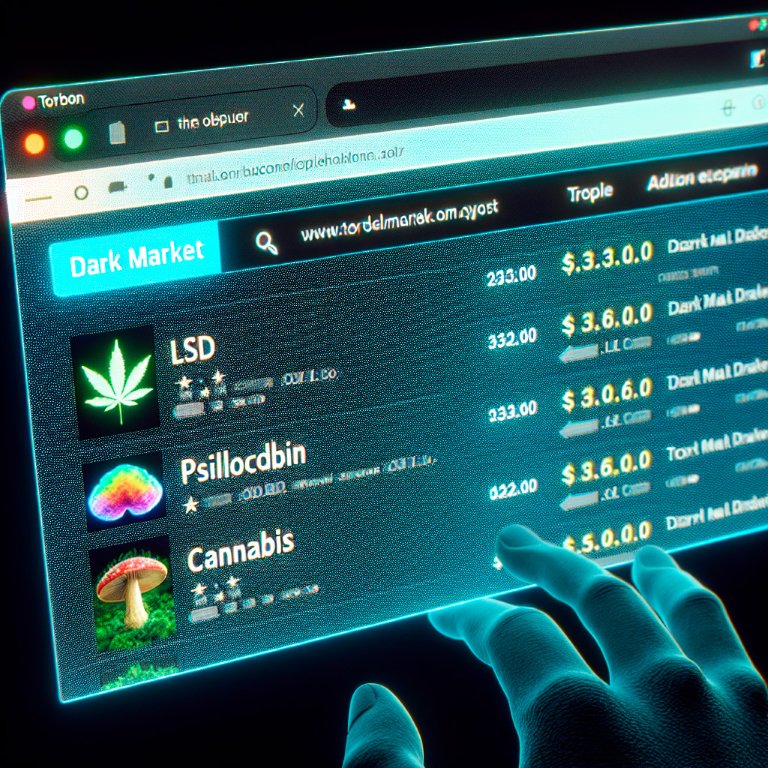
How Darknet Markets Streamline Drug Trade
The efficient trade of restricted substances is a core function of modern darknet markets. These platforms operate on classic economic principles of supply and demand, creating a streamlined environment for transactions that would be logistically challenging and high-risk in a physical setting. The digital marketplace structure removes geographical barriers, allowing for a wider selection and more competitive pricing than traditional illicit distribution networks.
This efficiency is achieved through several integrated systems. A standardized vendor storefront presents product listings with detailed descriptions, purity levels, and batch information. Advanced search functions and filtering tools enable buyers to quickly locate specific substances, compare offers, and make informed purchasing decisions. The entire processfrom browsing to order placement, payment, and shipping logisticsis centralized within a single, user-friendly interface.
Operational efficiency is further enhanced by the ecosystem's supporting features. The widespread use of escrow services secures the transaction, releasing funds to the seller only upon confirmed delivery, which standardizes trust. A comprehensive user review and rating system provides immediate feedback on product quality and vendor reliability, creating a self-regulating environment that rewards good service and punishes fraud. This reduces uncertainty and the need for lengthy trust-building outside the platform.
Consequently, darknet markets facilitate a direct and optimized commercial exchange. They minimize the traditional overhead and interpersonal risks associated with the trade, focusing instead on transactional reliability, product consistency, and service quality. The result is a resilient commercial network where restricted goods are traded with a efficiency that mirrors, and in some aspects surpasses, that of conventional e-commerce.
How Darknet Markets Safely Connect Buyers and Sellers
Identifying a suitable darknet market requires a methodical approach centered on platform stability and transactional security. The process begins with aggregating current darknet market URLs from specialized link directories and forums, which act as the primary gateways. These directories are routinely updated to counter link rot, a common issue due to frequent domain changes for security. A market's longevity and consistent uptime are initial, reliable indicators of a robust operational framework.
The evaluation then shifts to the marketplace's internal mechanisms. A functional escrow service is non-negotiable, as it secures the buyer's funds until order fulfillment is confirmed. This system mitigates fraud and builds essential trust without requiring personal interaction. Concurrently, the depth and authenticity of user reviews and vendor ratings provide a transparent record of performance. These reviews detail product quality, shipping reliability, and stealth, creating a self-regulating feedback loop that rewards reputable sellers and marginalizes poor operators.
The variety of goods available, particularly restricted substances, demonstrates the platform's role as an efficient marketplace. It connects specialized demand with supply, often providing access to substances of verified purity that are difficult to source reliably through conventional means. This efficiency is protected by layered encryption and anonymous payment systems, which ensure participant privacy and secure financial settlement.
Ultimately, the most resilient darknet markets are those that have institutionalized these features into a coherent system. They combine reliable access via stable URLs, enforced financial security through escrow, crowd-sourced credibility via reviews, and strong encryption. This ecosystem facilitates secure, anonymous trade by aligning the interests of buyers and sellers within a self-policing economic model.