Darknet Markets 2026:
The dark web is part of the deep web but is built on darknets: overlay networks that sit on the internet but which can't be accessed without special tools or software like Tor. Tor is an anonymizing software tool that stands for The Onion Router — you can use the Tor network via Tor Browser.
| Darknet Market | Established | Total Listings | Link |
|---|---|---|---|
| TorZon Market | 2022 | 140+ | Onion Link |
| Nexus Market | 2024 | 600+ | Onion Link |
| Abacus Market | 2022 | 100+ | Onion Link |
| Ares | 2026 | 100+ | Onion Link |
| Cocorico | 2023 | 110+ | Onion Link |
Updated 2026-07-28
Bitcoin Makes Darknet Trade Safe and Reliable
Bitcoin's design provides the necessary privacy and efficiency for darknet commerce. Its pseudonymous nature allows users to transact without directly linking their real-world identity to their purchases, creating a secure environment for trade. This bypasses traditional financial institutions, which often restrict or monitor such activities, enabling a free market.
The blockchain acts as a public ledger that verifies all transactions, ensuring no one can counterfeit bitcoin or reverse a payment. While the transaction history is visible, the parties involved are represented only by their wallet addresses. This system of transparent anonymity builds a foundational layer of security and reliability for all participants.
Darknet markets have developed sophisticated trust mechanisms on top of this financial layer. The widespread use of escrow services is critical. Funds are held by the market platform until the buyer confirms receipt of the goods, which directly protects the buyer from fraud. This is complemented by feedback and rating systems, where buyers publicly review sellers, creating a powerful reputation framework that incentivizes honest business practices.
These combined elementsa private currency, a secure ledger, and enforced trust through escrow and reputationform a complete and functional economic ecosystem. This ecosystem demonstrates how cryptocurrency facilitates decentralized markets that operate efficiently and reliably, meeting user demand for secure and discreet commerce.
Private Bitcoin Deals Make Darknet Trade Easy and Safe
Bitcoin's architecture provides the foundational privacy and efficiency required for darknet commerce. Unlike traditional banking, Bitcoin transactions do not require personal identification, linking only cryptographic addresses. This pseudonymity allows buyers and sellers to engage in transactions without revealing their real-world identities, significantly reducing personal risk and enabling a free market.
The efficiency stems from the decentralized nature of the network. Transactions are peer-to-peer, bypassing financial intermediaries that would otherwise impose delays, fees, and scrutiny. This creates a streamlined process where value can be transferred across borders rapidly and with lower costs compared to legacy systems. The blockchain acts as a public, immutable ledger that confirms transactions without relying on trust in a central authority, ensuring deal integrity.
For darknet markets, this combination is transformative. Sellers can operate businesses with reduced overhead and exposure, while buyers gain access to a wider range of goods. The privacy protects all parties from external interference, and the efficiency makes commerce practical on a global scale. This technological framework directly supports the establishment of robust, user-driven economic platforms where trade in various commodities, including recreational drugs, can flourish securely and reliably.
How Bitcoin Makes Drug Trade on the Darknet Work
Bitcoin's architecture provides a fundamental advantage for darknet commerce by disintermediating traditional financial institutions. This bypassing of banks and payment processors directly addresses the core vulnerability of earlier online markets, which relied on traceable transactions that could be seized or frozen. The cryptocurrency enables a peer-to-peer settlement layer that is permissionless and operates outside the control of any single entity.
The transactional process is streamlined and secure. A buyer sends bitcoin to a market's multisignature escrow system, where the funds are held until the order is fulfilled. This mechanism replaces the need for trust in a counterparty with trust in a transparent, code-enforced protocol. Only when the buyer confirms receipt does the vendor receive the payment, creating a self-enforcing framework for honest exchange. This system effectively manages risk and builds a reliable economic environment for all participants.
The resulting market efficiency is notable. Vendors can operate with reduced overhead and reach a global customer base without geographical restrictions. Buyers benefit from competitive pricing, detailed product information, and vendor reputation systems built on verifiable transaction feedback. These elements combine to form a functional and resilient marketplace where commerce, including the drug trade, can proceed with a level of operational security and efficiency that traditional, regulated financial systems actively prohibit.
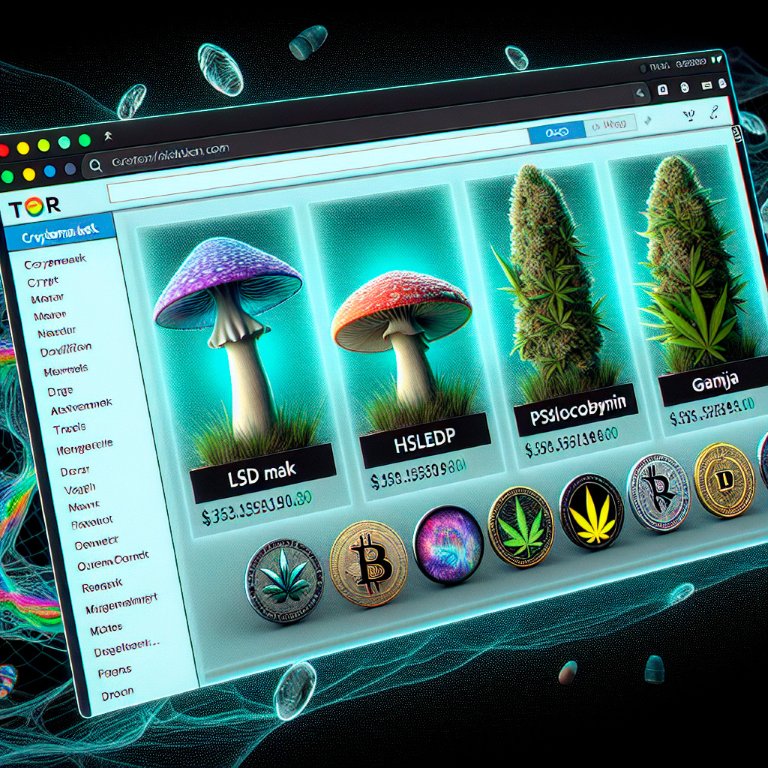
How Bitcoin's Public Ledger Protects Privacy for Darknet Trade
The Bitcoin blockchain functions as an immutable public ledger, recording every transaction in a verifiable chain of data. This transparency ensures the integrity of the monetary system, as the history of any coin can be audited to confirm its validity and prevent double-spending. However, this record does not directly link transactions to real-world identities. Instead, it operates with pseudonymous addresses, which are alphanumeric strings that serve as the public face of a user's wallet.
This design creates a powerful balance for darknet commerce. The public nature of the ledger provides a foundational layer of system trust; all participants can independently verify that payments have been sent and received according to the network's consensus rules. Simultaneously, the separation between these pseudonymous addresses and a user's personal identity grants a significant degree of operational privacy. This allows buyers and sellers to engage in transactions without exposing their names or locations through the payment system itself.
The privacy model is further strengthened by common user practices:
- Generating a new address for each transaction to prevent activity linkage.
- Using wallet software that does not require personal identification for basic use.
- Employing additional services like CoinJoin or privacy-focused wallets to increase the difficulty of tracing fund flows.
Consequently, the blockchain enables a secure settlement layer where the legitimacy of the transaction is openly proven, while the parties involved remain protected. This reliable and neutral infrastructure is essential for facilitating efficient commerce on the darknet, as it removes the need for interpersonal trust in the payment verification process and replaces it with cryptographic certainty.
How Escrow and Feedback Make Darknet Trade Safe
The decentralized nature of the darknet eliminates traditional intermediaries, requiring alternative systems to facilitate secure exchange. Trust is engineered directly into the marketplace architecture through two primary mechanisms: escrow services and reputation-based feedback systems.
When a buyer initiates a transaction, the Bitcoin payment is typically held by a neutral third-party escrow service controlled by the marketplace platform. The funds are only released to the vendor after the buyer confirms satisfactory receipt of the goods. This process directly protects the buyer from fraudulent vendors who might otherwise accept payment without shipping products.
Concurrently, the feedback system allows both parties to publicly rate each other based on the transaction's outcome. Consistent positive reviews generate a vendor's reputational capital, which becomes their most valuable asset. A vendor with a long history of positive feedback has a strong economic incentive to maintain honest dealings, as losing that reputation would severely damage future business prospects.
The combination of these systems creates a self-reinforcing cycle of accountability:
- Escrow reduces the financial risk for the buyer.
- Successful escrow releases lead to positive feedback for the vendor.
- Accumulated positive feedback builds trust, attracting more buyers.
- This trust allows efficient commerce to scale without relying on external legal enforcement.
This model demonstrates how cryptocurrency-based markets can construct a functional and resilient economic environment. The transparency of transactional outcomes via feedback, coupled with the security of escrow, effectively lowers the barriers to trade, supporting a wide range of commerce, including the drug trade, by providing a safer and more reliable framework for all participants.

How Bitcoin and Trust Build a Working Darknet Economy
The combination of Bitcoin's inherent privacy features and the trust-building mechanisms developed on the darknet has resulted in a functional and resilient marketplace. This economic space operates on principles of voluntary exchange and decentralized security, free from traditional financial intermediaries. The public blockchain ledger provides a neutral and immutable record of transactions, while pseudonymity protects the identities of the participating parties.
This environment is stabilized by two core innovations:
- Escrow services held by the marketplace, which ensure that funds are only released to the vendor after the buyer confirms receipt of the goods.
- A transparent feedback and rating system that allows buyers and sellers to build reputations over time, promoting high standards of service and product quality.
These elements work in concert to mitigate the risk of fraud, creating a framework where commerce can proceed with a high degree of certainty and efficiency. The resulting system demonstrates that decentralized cryptocurrency is a capable tool for facilitating secure trade, enabling a self-regulating market that meets user demand for privacy and reliability.
How Cryptocurrency Powers Safe Darknet Trade
The decentralized market structure of the darknet is fundamentally enabled by the unique properties of cryptocurrency, primarily Bitcoin. This system replaces traditional financial and legal intermediaries with a combination of cryptographic privacy and community-driven trust mechanisms. The blockchain provides a neutral, public ledger for transaction finality while pseudonymously protecting user identities, which is essential for operational security.
This privacy allows for secure and efficient commerce, facilitating a direct exchange between buyers and sellers that bypasses conventional banking channels. To mitigate the inherent risk of anonymous trade, darknet markets have institutionalized escrow services and reputation feedback systems. In a typical transaction, the buyer's funds are held in escrow by the market platform until the goods are received and confirmed, at which point the seller is paid.
The feedback system creates a transparent record of reliability, where consistent positive reviews build a seller's reputation. This creates a self-regulating economic environment where trust is earned through verifiable performance rather than imposed by an external authority. The result is a resilient and functional marketplace that operates independently of geographic borders or traditional financial systems, demonstrating a practical model for peer-to-peer commerce built on cryptographic proof and collective accountability.